Provide First Aid
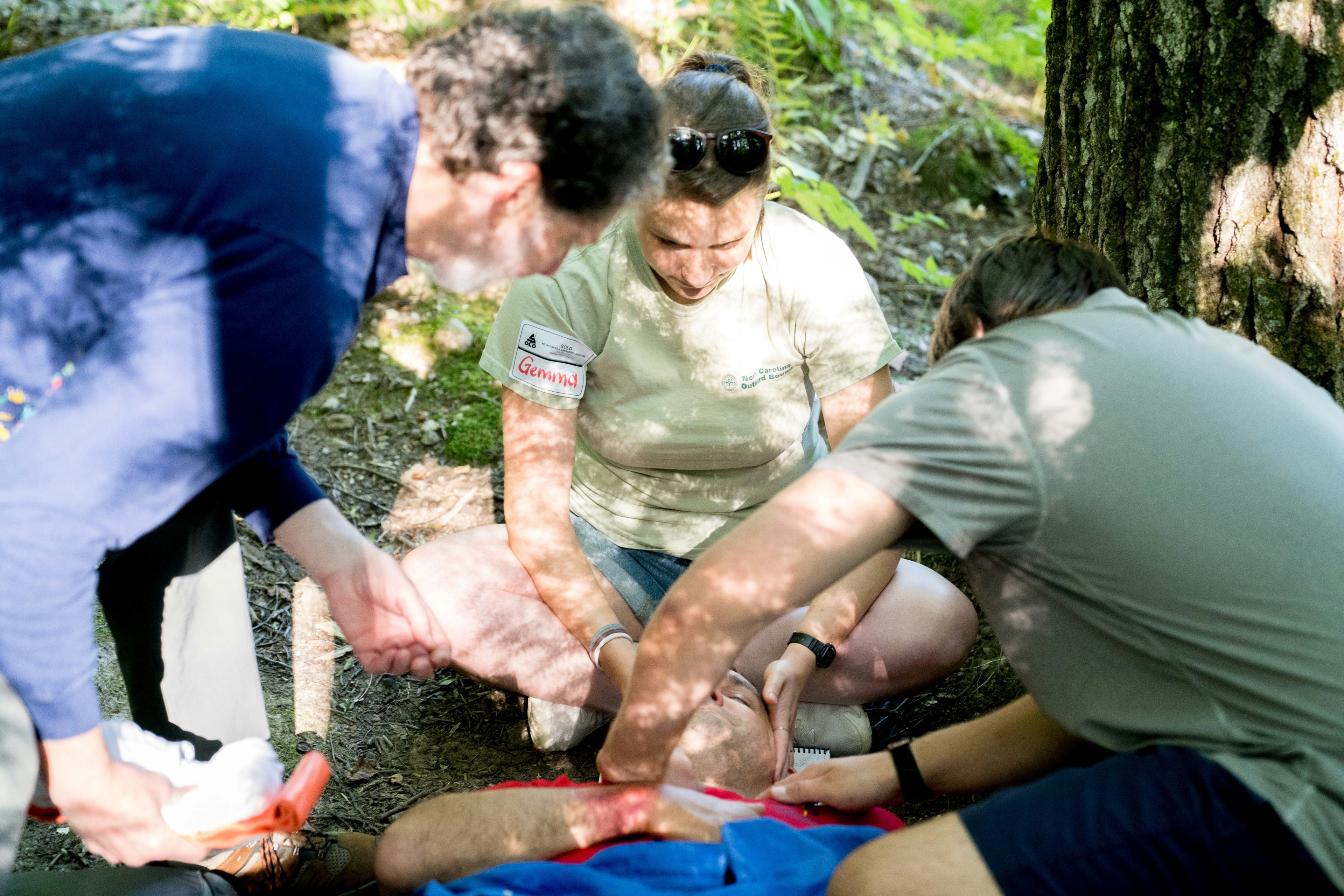
Gain the essential skills and knowledge to respond confidently in emergency situations. This course combines CPR, basic life support, and first aid training to prepare individuals to provide an effective first response in the workplace or community.

Course Outline
This nationally recognised First Aid and CPR program provides participants with the practical skills and knowledge required to recognise and respond to a range of emergency situations. Combining HLTAID009 Provide Cardiopulmonary Resuscitation, HLTAID010 Provide Basic Emergency Life Support, and HLTAID011 Provide First Aid, the course equips learners with the confidence to provide immediate assistance until medical help arrives.
Participants develop skills in assessing emergency situations, applying first aid procedures, performing CPR, managing injuries and illnesses, and responding to incidents in accordance with workplace and industry requirements. Suitable for both workplace compliance and personal development, this course combines practical hands-on training with real-world scenarios to ensure learners are prepared to respond effectively when it matters most.
Teaching Units

Specialisations
Not Applicable
Additional Student Information
What This Course Prepares You For
This nationally recognised course combines CPR, basic emergency life support, and first aid into a single qualification, preparing you to respond confidently until medical help arrives. It is widely required for workplace first aid officers and is also valuable for personal and community preparedness. It covers three units: HLTAID009 Provide cardiopulmonary resuscitation, HLTAID010 Provide basic emergency life support, and HLTAID011 Provide first aid.
Who This Course Suits
This course suits workplace first aid officers, people whose roles require a current first aid certificate, and anyone wanting practical emergency response skills. There are no formal entry requirements. Learners should be aware that the course involves a practical component, including performing CPR at floor level.
How It’s Delivered and Assessed
This course is delivered as one day of face-to-face training, with online pre-study to be completed beforehand. The in-person day includes practical skills demonstration and assessment. To complete the online pre-study you will need a device with internet access; the practical training and assessment take place in person.
USI & Certification
To receive a Statement of Attainment, students must have a verified Unique Student Identifier (USI), unless exempt. Certification will be issued within 30 calendar days of being assessed as competent and any outstanding fees being paid.
Certificate Currency
First aid certification has recommended currency periods based on Australian Resuscitation Council (ARC) guidelines. The HLTAID011 Provide First Aid certificate is generally recommended for renewal every three years, while the CPR component (HLTAID009) is recommended to be refreshed every 12 months. Some workplaces, industries, and roles (for example healthcare, childcare, mining, and other high-risk settings) may require more frequent renewal. You should confirm the specific requirements that apply to you with your employer or the relevant state or territory work health and safety authority.
Learner Support & Reasonable Adjustment
Students have access to trainer support throughout the course. S2C Training provides reasonable adjustment where appropriate while maintaining the integrity of the training and assessment requirements. As this course includes a hands-on practical assessment, please raise any support needs with us before your session.
Credit Transfer
S2C Training recognises eligible nationally recognised training completed with other RTOs through the Credit Transfer process. Students may apply for Credit Transfer and provide supporting documentation, such as a current Statement of Attainment, for assessment.
Transition Arrangements
Where a qualification is superseded, deleted, or substantially amended, S2C Training will manage student transitions in accordance with applicable regulatory requirements and organisational policies and will advise students of any available options.
Flexible
Training Options
Qualifications & Courses
Nationally Recognised
Qualifications
Frequently Asked Questions.
How do I know which qualification is right for me?
The best place to start is with a Free Skills Check and consultation. By reviewing your experience, career goals and existing qualifications, S2C Training can identify the most suitable pathway, whether that is Recognition of Prior Learning, a skill set, a full qualification or a workforce development program aligned to your objectives.
Can I study from anywhere in Australia?
Yes. Many of our courses and RPL pathways can be completed from anywhere in Australia, depending on the qualification and delivery requirements.
For RPL, most of the process can be completed online using your existing evidence, work history and assessor conversations. For training courses, some programs may be available online or through workplace-based delivery, while practical or licensing-related courses may require attendance at an approved location.
Our team will confirm the best study option for your location before you enrol.
What is a Supply Chain Operations qualification?
Supply Chain Operations qualifications focus on logistics, coordination, inventory management, procurement, transport and operational planning. They are particularly relevant to individuals working within Defence, logistics, warehousing, transport, manufacturing and operational support environments.
What is a Health Administration qualification?
Health Administration qualifications are designed for individuals working in healthcare, medical administration and practice management environments. They focus on operational coordination, customer service, administration, compliance, communication and workplace effectiveness within healthcare settings.
What is a Workplace Health and Safety (WHS) qualification?
Workplace Health and Safety qualifications develop the knowledge and skills required to contribute to safer workplaces and support organisational compliance obligations. These qualifications are commonly undertaken by supervisors, managers, WHS representatives and personnel responsible for safety-related activities within their organisation.
What is a Business qualification?
Business qualifications focus on workplace operations, administration, communication, leadership, compliance and organisational effectiveness. They are suitable for professionals working across a broad range of industries and can support career progression into supervisory, management and administrative roles.
What is a Project Management qualification?
Project Management qualifications focus on planning, coordinating and delivering projects within workplace environments. They are suitable for individuals responsible for scheduling, resource management, stakeholder engagement, project coordination and operational delivery.
Many professionals working in Defence, emergency services, government and business environments find these qualifications highly relevant to their experience.
What is a Leadership and Management qualification?
Leadership and Management qualifications are designed to develop the skills required to lead teams, manage workplace operations and contribute to organisational performance.
These qualifications are suitable for supervisors, team leaders, managers and experienced professionals looking to formalise their leadership capability or prepare for future leadership opportunities.
What is a Statement of Attainment?
A Statement of Attainment is issued when a learner successfully completes one or more nationally recognised units of competency but does not complete an entire qualification. Statements of Attainment can provide evidence of specific workplace skills and may contribute towards future qualification pathways.
What is the difference between a qualification and a skill set?
A qualification is a complete training outcome made up of multiple units of competency and is designed to prepare individuals for a particular occupation or career pathway.
A skill set is a smaller grouping of units focused on specific skills or workplace outcomes. Skill sets are often used to develop capability in a targeted area without completing a full qualification.
What is the Australian Qualifications Framework (AQF)?
The Australian Qualifications Framework (AQF) is the national policy that regulates qualifications within Australia's education and training system.
The AQF ensures consistency and quality across qualifications ranging from Certificates through to Diplomas, Advanced Diplomas and higher education outcomes.
Qualifications issued by S2C Training are aligned with AQF requirements and recognised across Australia.
What is a nationally recognised qualification?
A nationally recognised qualification is a credential issued by a Registered Training Organisation (RTO) that meets the requirements of the Australian Qualifications Framework (AQF).
These qualifications are recognised throughout Australia and provide employers with confidence that the holder has achieved industry-relevant skills and knowledge.
Nationally recognised qualifications can support career progression, improve employment opportunities and provide pathways into higher-level study.

.png)