Your Frontline Experience Deserves Formal Recognition
Police, Fire, Ambulance and SES personnel build serious leadership and operational expertise on the job. S2C Training helps you turn that experience into nationally recognised qualifications.
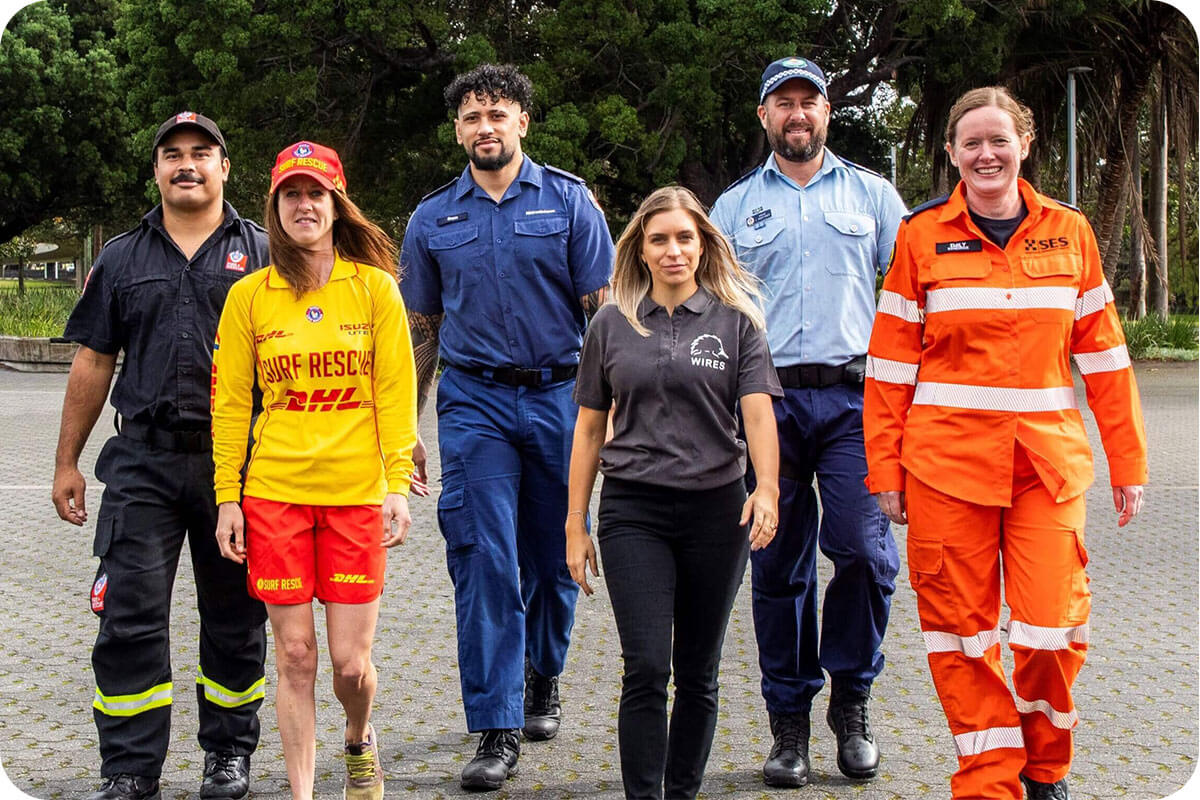

How We Support Emergency Services Personnel
You've spent years making high-stakes decisions, leading teams and managing complex operations under pressure - often without a civilian qualification on paper to show for it. S2C Training closes that gap. Through Recognition of Prior Learning (RPL), nationally recognised qualifications and career-focused training pathways, we help you formalise the skills you already have and position yourself for progression or a confident move beyond frontline service.
How S2C helps
We understand the realities of frontline work - shift rosters, operational pressure and the challenges that come with career transition. That's why our pathways are built to be practical, flexible and tied to real career outcomes.
Skills & RPL recognition
RPL is often the fastest way to convert years of operational experience into a formal credential - because you're assessed on what you already know, not retrained from scratch. Our advisors help you map your experience against nationally recognised qualifications and skill sets, so you only cover what you genuinely need to.
Many frontline roles already build deep capability in the areas we specialise in, including
- Leadership
- Business Management
- Project Management
- Work Health and Safety (WHS)
- Supply Chain
- Health Administration
If you've led teams, coordinated operations, managed risk or kept people safe, chances are you've already developed skills that count towards a qualification in one of these fields.
Recognition by Service
Police - Investigation, operational command, community engagement and compliance experience can map to qualifications in leadership, security operations, investigation and government.
Fire and Rescue - incident control, safety systems and training delivery experience aligns with WHS, leadership and training qualifications.
Ambulance and Paramedicine - clinical coordination, high-pressure decision-making and team leadership translate into health administration and management pathways.
SES and Volunteers - Emergency response, logistics and coordination experience counts, even in volunteer roles.
Check out
Be sure to check out the Blogs, News & Helpful Information page here for helpful information in relation to RPL and Qualification Pathways
How to Choose an RPL Provider: 7 Questions to Ask
Recognition of Prior Learning for Emergency Services Personnel
Border Force & Customs Careers
Start Today!
See how much of a qualification you've already earned. Complete your Free Skills check - it's quick, obligation-free, and shows you exactly where your experience could take you
Evidence mapping for operational roles - we translate incident reports, operational logs, training records and command experience into qualification evidence.
Training that fits shift work - flexible, online-first assessment designed around rosters, on-call periods and unpredictable hours.
Recognition across all services - police, fire, ambulance, SES, corrections and border protection backgrounds all generate assessable evidence.
Volunteer experience counts - SES and volunteer service can contribute valid evidence even without formal employment records.
Support from start to certification - one RTO handling your assessment and issuing your qualification, end to end.
Frequently Asked Questions.
What is the first step for emergency services personnel interested in RPL?
The first step is completing the Free Skills Check. This obligation-free process allows S2C Training to review your experience, identify suitable qualification pathways and discuss potential Recognition of Prior Learning opportunities.
From there, a Course Advisor can explain the available options and help determine the most appropriate next steps based on your goals.
Can emergency services personnel use RPL to transition into other industries?
Yes. Many skills developed within emergency services are highly transferable to civilian industries. Leadership, risk management, compliance, workplace safety, project coordination, administration and workforce management are all valued across a range of sectors.
Nationally recognised qualifications can help translate these capabilities into credentials that are easily understood by employers outside emergency services.
What if I have experience across multiple roles?
Experience gained across different positions, departments or agencies can often strengthen an RPL application. Assessors consider your overall experience and how it aligns with qualification requirements. Leadership, operational, administrative and specialist experience may all contribute towards demonstrating competency.
Can I complete the RPL process while working shifts?
Yes. Many emergency services personnel work rotating rosters, shift work or irregular hours. The RPL process is designed to be flexible, allowing evidence collection, consultations and assessment activities to occur around existing work commitments.
This makes it suitable for busy professionals who may not be able to attend traditional classroom-based training.
Can qualifications help with promotion opportunities?
While qualifications do not guarantee promotion, they can provide formal recognition of your skills and experience. Many emergency services personnel choose to formalise their capability through nationally recognised qualifications to strengthen professional development opportunities, support leadership aspirations and enhance career progression.
Can emergency services training be used as evidence?
Yes. Internal training programs, professional development activities, certifications and workplace training records may all contribute towards the assessment process. Combined with workplace experience, these records can help demonstrate the skills and knowledge required for qualification outcomes.
Can volunteer emergency services experience be recognised?
In some circumstances, yes. Volunteer roles often involve leadership, training, administration, operational support and community engagement activities that may align with nationally recognised qualifications. Where the experience is relevant and can be appropriately evidenced, it may contribute towards an RPL outcome.
Can operational experience count towards qualifications?
Absolutely. Operational experience is often one of the strongest forms of evidence available to emergency services personnel. Incident response, risk management, compliance activities, planning, resource coordination, safety management and operational decision-making may all contribute towards demonstrating competency against qualification requirements.
Can supervisory experience be recognised?
Yes. Supervisory responsibilities often provide strong evidence towards leadership and management qualifications. Experience managing teams, allocating resources, coordinating activities, mentoring personnel, monitoring performance and contributing to operational outcomes may all be relevant during the assessment process.
Which emergency services personnel can apply for RPL?
Recognition of Prior Learning may be suitable for personnel from a wide range of emergency services organisations, including Police, Fire and Rescue Services, Ambulance services, State Emergency Services (SES), Corrective Services and other Public Safety Agencies.
Eligibility is not determined by your organisation alone but by the skills, experience and responsibilities you have developed throughout your career.
Can emergency services experience be recognised through RPL?
Yes. Emergency services personnel often develop significant workplace skills that align with nationally recognised qualifications. Experience gained through operational duties, supervision, leadership, compliance activities, incident management, training, community engagement and workplace safety responsibilities may all contribute towards Recognition of Prior Learning (RPL).
At S2C Training, we assess your experience against qualification requirements to determine whether your existing skills and knowledge may contribute towards a qualification outcome.
.png)