Turn Real Skills into Real Qualifications.
S2C Training supports individuals and businesses across Australia to develop skills, gain nationally recognised qualifications, and access flexible training and RPL pathways.
Qualifications & Courses
Nationally Recognised Qualifications
Training Options

Built for those who Serve
Whether you're transitioning from the ADF, emergency services, or a long career in industry - S2C Training is built for you.
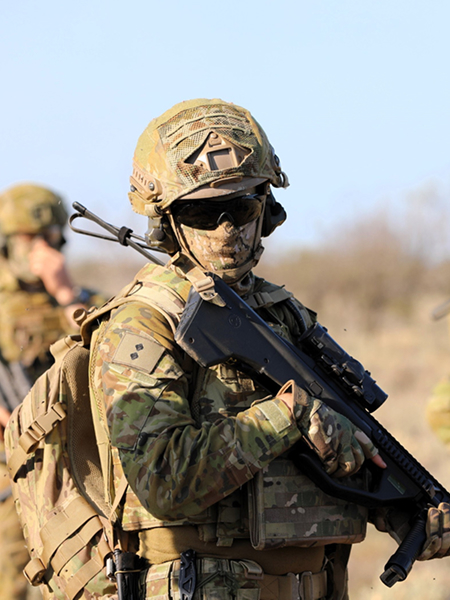
Australian Defence Force
Translate military training, leadership, and technical expertise into civilian qualifications.
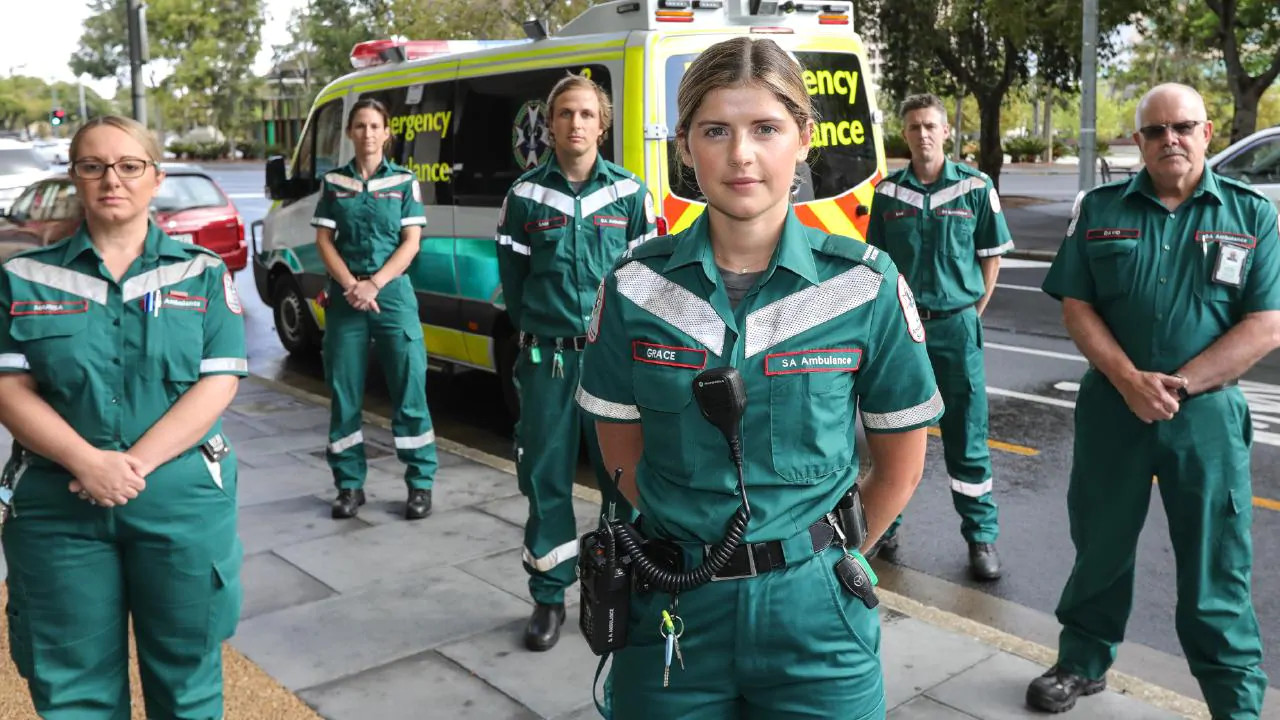
Police, Fire & Paramedics
Your operational experience and command skills are highly valued - and they can be formally recognised.
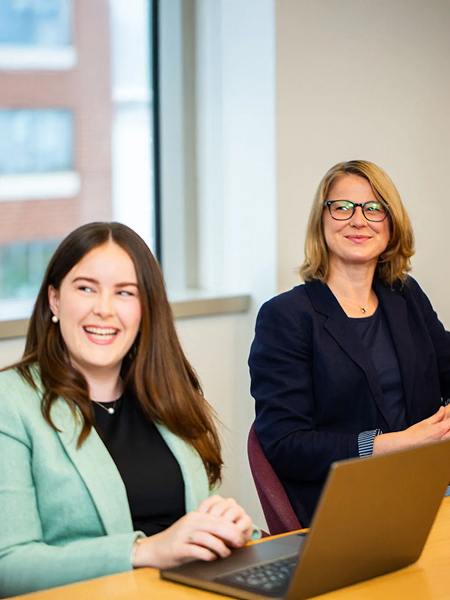
Experienced Professionals
Years of on-the-job experience deserves formal recognition. Let us put your skills on paper.

Employers
Working alongside employers to identify capability needs, recognise workforce experience and support employee development.
From Service to Certification in 3 Steps
Our streamlined process cuts through the complexity. Share your experience, and we'll guide you through every step.
.png)
01
Share Your Records
Start by completing our obligation-free Skills Check. Our team will review your background and map your existing skills and experience to nationally recognised qualifications and training pathways.
02
Review Your Options
Receive clear guidance on qualifications, skill sets, training options, and RPL pathways that align with your experience and career goals.
03
Pathway to Certification
Demonstrate competency in your pathway and receive your nationally recognised qualification - ready for employment, further study, or to formalise the expertise you've already built.
Our Courses
What is RPL?
Experienced in industry? You may be eligible for Recognition of Prior Learning (RPL)
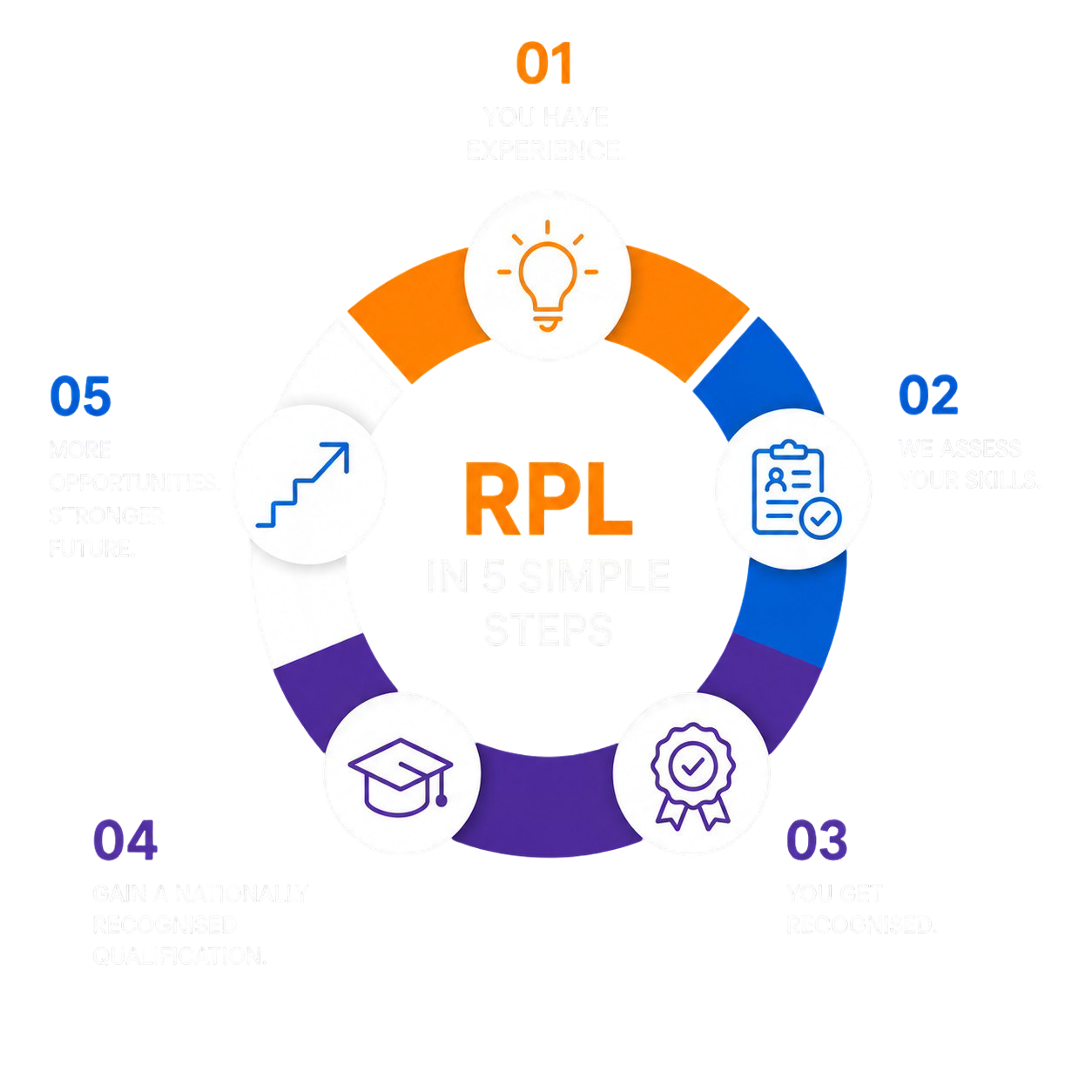
Your Experience Already Counts
RPL is an assessment process that acknowledges the skills and knowledge you've gained through work, life experience, or previous training - and credits them toward a nationally recognised qualification.
Frequently Asked Questions.
What is the Free Skills Check?
The Free Skills Check is an obligation-free review designed to help you understand what training and qualification options may be available based on your experience.
By providing information about your employment history, existing qualifications and career goals, our team can identify potential Recognition of Prior Learning (RPL) opportunities, nationally recognised qualifications and development pathways aligned to your background.
How do I get started?
The easiest way to get started is by completing the Free Skills Check. This obligation-free process allows our team to review your experience, qualifications and career goals to identify suitable qualification pathways, including Recognition of Prior Learning (RPL), skill sets and full qualification options.
A Course Advisor will then discuss your results and next steps.
Can I study online?
Many S2C Training qualifications and programs include online learning options, providing flexibility for learners balancing work, family and other commitments. Online delivery allows you to access learning materials, assessments and support from anywhere in Australia while progressing at a pace that suits your circumstances.
Do you deliver training Australia-wide?
Yes. S2C Training supports learners and organisations across Australia. Depending on the qualification, training may be delivered online, workplace-based or through a blended approach. This flexibility allows learners to access nationally recognised training regardless of their location.
What is a Registered Training Organisation (RTO)?
A Registered Training Organisation (RTO) is an organisation approved to deliver and assess nationally recognised training.
RTOs must meet strict regulatory requirements and are monitored by the Australian Skills Quality Authority (ASQA). Choosing an RTO ensures your qualification is recognised across Australia and issued in accordance with national standards.
Are your qualifications nationally recognised?
Yes. All qualifications and Statements of Attainment issued by S2C Training are nationally recognised and delivered under Served to Cert Pty Ltd RTO 45605.
Nationally recognised qualifications are recognised throughout Australia and align with the Australian Qualifications Framework (AQF), providing confidence to employers and industry.
What qualifications does S2C Training offer?
S2C Training delivers qualifications across a range of vocational areas, including leadership and management, business, project management, workplace health and safety, health administration and supply chain operations.
We also offer skill sets, workforce capability programs and Recognition of Prior Learning pathways designed to align with industry requirements and career outcomes.
Who can enrol with S2C Training?
S2C Training supports a broad range of learners, including experienced workers, Defence personnel, veterans, emergency services personnel, frontline workers, government employees, business professionals and individuals seeking career advancement.
Whether you're looking to gain a nationally recognised qualification, formalise existing skills through RPL, or develop new capabilities, our team can help identify a suitable pathway.
We don't offer training to international students.
What is S2C Training?
S2C Training is a Registered Training Organisation (RTO 45605) providing nationally recognised qualifications, Recognition of Prior Learning (RPL), skill sets and workforce development solutions across Australia.
We work with individuals, employers and industry partners to recognise existing skills, build capability and support career progression through practical, industry-aligned training pathways.