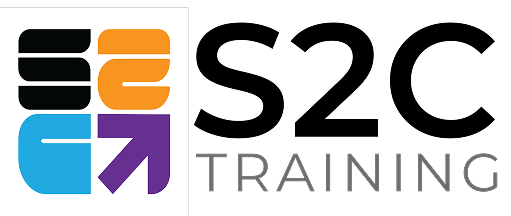
Firefighter to Civilian Careers: Recognising Your Skills
The quick answer
Firefighters and fire-and-rescue personnel operate at the sharp end of risk, and in doing so build extraordinary skills in safety, teamwork, incident command and decision-making under extreme pressure. Australia's fire and emergency services, career and volunteer, are coordinated nationally through the Australasian Fire and Emergency Services Authorities Council (AFAC) and supported by Public Skills Australia, the Jobs and Skills Council for Public Safety (Public Skills Australia). For those wanting to formalise or transition that capability, Recognition of Prior Learning (RPL) turns fireground experience into nationally recognised civilian qualifications.
Coordinated by: AFAC, with workforce planning by Public Skills Australia
Transferable strengths: Safety leadership, incident command, teamwork, risk
Standout civilian fit: Work health and safety, leadership, emergency management
Fastest route to recognition: RPL against nationally recognised qualifications
What skills do firefighters build?
Firefighting is a masterclass in operating safely in danger. Personnel run and follow incident command structures, make rapid risk assessments with lives on the line, work as a tightly drilled team, operate and maintain complex equipment, and take responsibility for the safety of colleagues and the public. Beyond the fireground, the role also involves community education, prevention, inspection and planning.
These are exactly the competencies that sit at the heart of civilian work health and safety, emergency management, leadership and operations roles, and they are increasingly in demand as workplaces take safety and risk more seriously than ever.
Where do firefighting skills translate?
• Work health and safety - few backgrounds match a firefighter's instinct for hazard, risk and safe systems of work.
• Leadership and management - incident command translates directly into team leadership and operations.
• Emergency and risk management - planning for and coordinating responses to the unexpected.
• Training and community education - many firefighters already teach, brief and mentor.
How Recognition of Prior Learning works for firefighters
RPL assesses what you already do against a nationally recognised qualification, rather than making you relearn it. For firefighters, the evidence is abundant: incident reports, command and crew leadership, risk assessments, equipment and safety procedures, and training you've delivered. An assessor maps that against the qualification's units.
Related guides: Recognition of Prior Learning for Emergency Services Personnel · What Is Recognition of Prior Learning (RPL)? · What Evidence Do I Need for RPL?
Which S2C qualifications map to firefighting experience?
S2C Training (RTO 45605) turns frontline service experience into nationally recognised qualifications through blended delivery and workplace-based assessment. For firefighters, the strongest fits are:
• Certificate IV in Work Health and Safety - the natural home for a firefighter's safety and risk expertise.
• Certificate IV in Leadership and Management and the Advanced Diploma of Leadership and Management - for crew and incident leadership.
• Certificate IV in Project Management Practice - for the planning and coordination behind operations and prevention.
Pathway example: from station officer to WHS advisor
"Sam" spent years as a firefighter and station officer, leading crews and owning safety on every job. Wanting a civilian role that used that expertise without leaving the safety world behind, Sam pursued S2C's Certificate IV in Work Health and Safety via RPL, drawing on risk assessments and incident command already practised for years. The qualification opened the door to a WHS advisor role in industry.
Where to from here
The safety and leadership skills you use on the fireground are exactly what civilian employers are looking for. The fastest way to make them count is to get them formally recognised.
Complete afree skills check with S2C Training to see how your firefighting experience maps to a nationally recognised qualification.
Frequently asked questions
Can firefighters get civilian qualifications for their experience?
Yes. Through Recognition of Prior Learning (RPL), firefighters can have their safety, incident-command, leadership and risk-management experience assessed against nationally recognised qualifications, particularly in work health and safety and leadership, without repeating training they already know in practice.
What civilian jobs suit former firefighters?
Firefighting experience translates strongly into work health and safety, leadership and operations management, emergency and risk management, and training or community-education roles. A firefighter's instinct for hazard and safe systems of work is especially valued in WHS.
What is the PUA Public Safety Training Package?
The PUA Public Safety Training Package contains the nationally recognised qualifications for fire and emergency services, maintained by Public Skills Australia in partnership with AFAC. It is also used by the mining, energy, oil and gas, and aviation industries for emergency-response skills.
More to explore
Keep reading to find insights that matter to your growth
Start your Qualification Journey Today. Obligation Free.
No guesswork. A clear, supported pathway to recognising your experience - with training only where it's needed.
.png)